
Ancient cities, living places
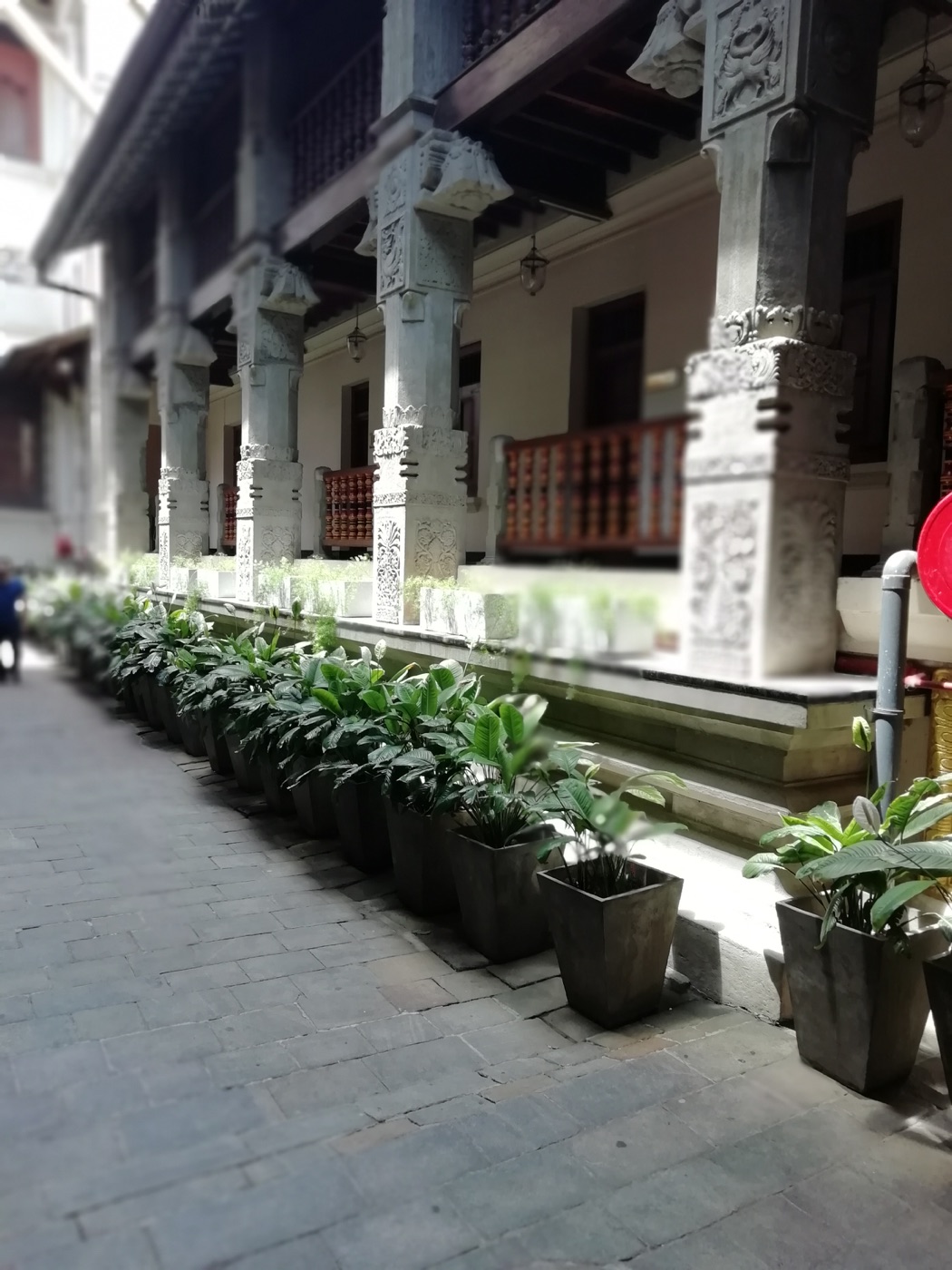
Sri Lanka’s historic landscapes are best understood as more than monuments. Anuradhapura remains an important place of Buddhist devotion, while Polonnaruwa reveals the remains of an ancient capital through sculpture, religious buildings and royal sites.
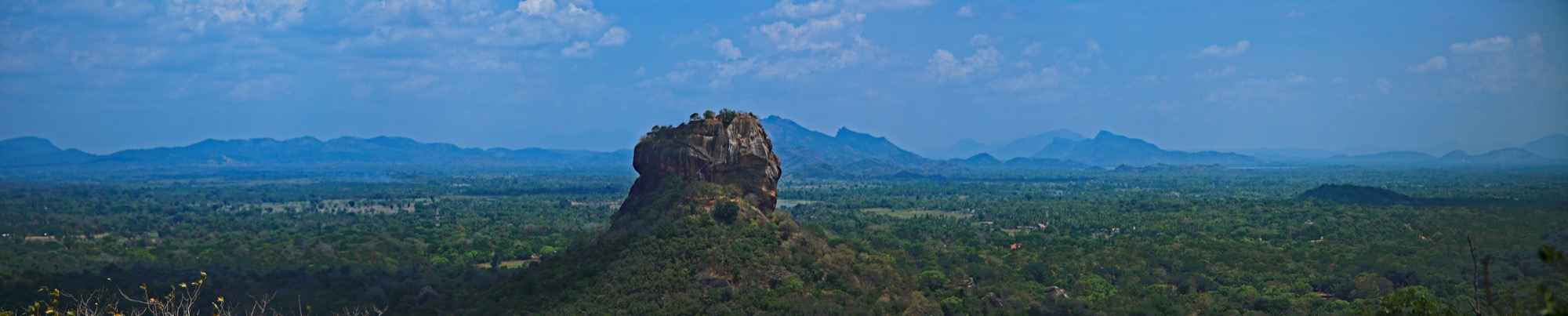
At Sigiriya, the approach through landscaped grounds is part of the experience, not simply a way to reach the climb. A guide can help connect the physical remains to the ambition and artistry of the people who created them.
From kingdoms to coastal forts
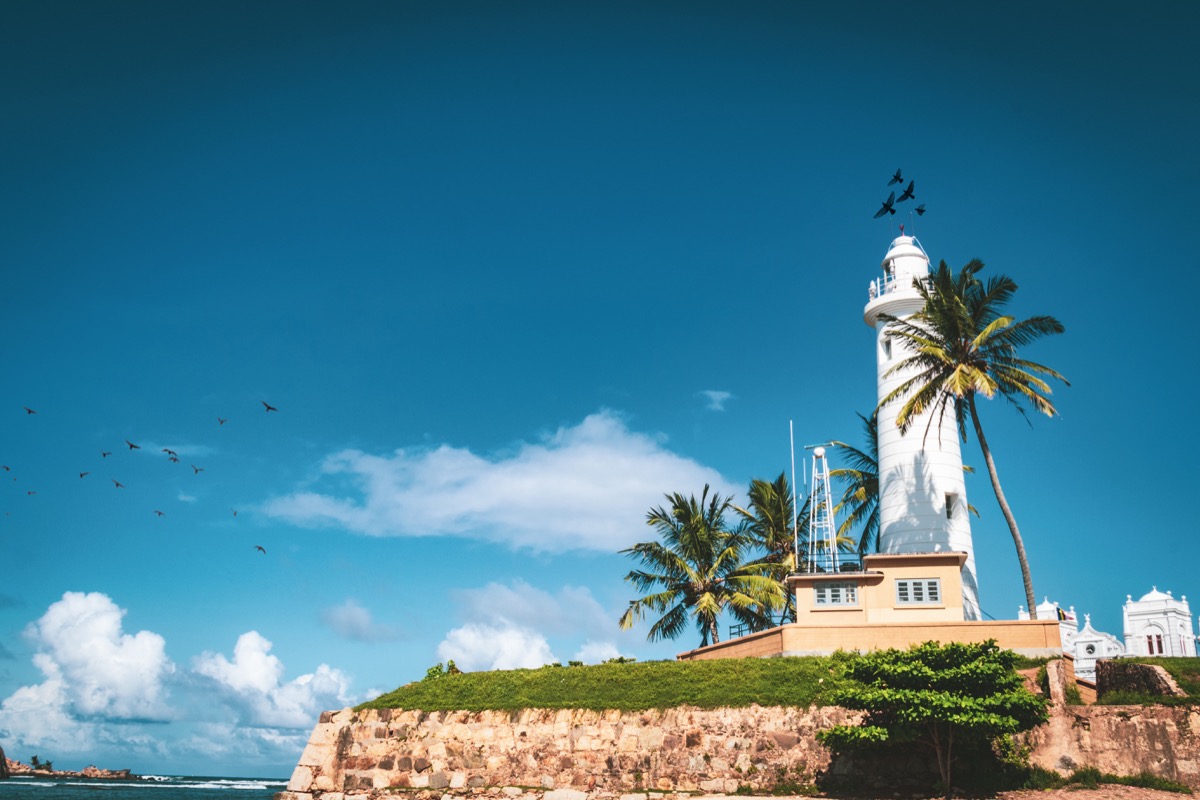
The island’s history includes ancient kingdoms, Indian Ocean trade and successive periods of Portuguese, Dutch and British colonial influence. Galle’s fortified town and the tea-country landscape offer very different ways to explore those later chapters.
The island gained independence in 1948 and became a republic in 1972. Historic names and architecture are part of the story, but today’s Sri Lanka is also shaped by the daily lives, languages and traditions of its communities.
Make heritage rewarding
Choose a few sites and give them time. Combining several major climbs or extensive archaeological complexes in one day can become tiring in the heat. Pair a substantial visit with an easier afternoon.
Bring clothing suitable for sacred places, follow local photography guidance and remember that worship continues around visitors. A private itinerary makes it easier to adapt the pace to your interests.
Keep exploring
Explore our destination guides Find your island itineraryFurther reading: UNESCO: Sri Lanka’s World Heritage sites